Thursday, August 30, 2012

Back to School: Healthy Breakfast and Lunch Recipes for Your Kids


473468-kids-eating-their-greens

School may have started for your kids, or it may be just around the corner. That means it’s time to start thinking about giving your kids a nutritional edge with the food you feed them! If your kids are like most, they are probably really busy once the school year rolls around with activities, homework, friends, and other obligations. With such a busy schedule, it’s easy to let nutrition give way to convenience, so it’s understandable why so many give into the temptations of school breakfasts and lunches. Still, with a little planning and minimal preparation, you can provide healthy, homemade breakfasts and lunches for your kids that fit well within their busy lives and yours.

WHY IT MATTERS


Nutritional status is linked to multiple performance aspects of a child’s life. Some of those aspects are obvious, such as energy levels. Others have become clear through studies.
  • 2010 case study evaluated the Healthy Kids, Smart Kids program at Browns Mill Elementary School in Georgia. The program promoted nutrition and physical activity, and researchers tracked kids’ performance between the years of 1995 and 2006. During the studied period, counseling and disciplinary referrals declined while standardized test scores improved after the program’s implementation.
  • Multiple studies have linked skipping breakfast to poor learning outcomes.
  • A 2010 study showed a correlation between a high fat, high sugar, high processed food diet and lower IQ scores in children at 8 years of age.
These are but a few of the many nutrition and learning outcome studies that point to the conclusion that kids who eat healthy meals are likely to experience better academic performance.

BEYOND CEREAL – BETTER BREAKFASTS FOR KIDS

There’s no doubt school mornings can be chaos, but there’s plenty you can do to ensure your children have something healthy on board before they head out the door. The ideal breakfast is quick, healthy, and plant-based. Of course, you can always give your kids a Glowing Green Smoothie for breakfast, at least as part of breakfast. It is amazing for children.  Here are some other options to try.

Nutty Carob Power Shake

Carob doesn’t have caffeine like cacao does.
  • 1 cup unsweetened almond milk
  • ½ banana
  • 1 tablespoon unsweetened carob powder
  • 1 ounce raw almonds
  • Stevia to taste
Blend all ingredients together in a blender until creamy.

Chia Acai Smoothie

  • 1 tablespoons of chia
  • 1/2 cup of water
  • 1/2 banana
  • 1/2 packet frozen acai smoothie package
  • 1 cup almond milk
  1. Soak chia in water overnight in refrigerator.
  2. Add chia gel, banana, acai and almond milk to a blender and mix well.

Banana Breakfast Wrap

  • 1 sprouted whole grain tortilla
  • 2 tablespoons unsweetened almond butter
  • 1 banana, diced
  1. Spread almond butter on tortilla.
  2. Top with bananas and roll.

Hearty Breakfast Quinoa

  • 1 cup quinoa, soaked and cooked
  • 2 tablespoons of your favorite dried fruit (cranberries, raisins, blueberries, etc.)
  • Dash sea salt
  • Cinnamon or grated nutmeg to taste
  • Stevia to taste
  • 1 cup almond milk
  1. Combine all ingredients in a medium saucepan.
  2. Heat over medium heat until liquid is absorbed.

QUICK, HEALTHY LUNCHES

These lunches are easy to prepare the night before and send to school with your kids.

Zucchini Hummus and Veggies 

  • 1 medium zucchini, sliced
  • 2 tablespoons tahini
  • 1 tablespoon lemon juice
  • 1 tablespoon extra virgin olive oil
  • 1 clove of garlic, peeled and minced
  • ½ teaspoon cumin seed
  • Dash sea salt
  • Your favorite vegetables.
Combine all ingredients (except vegetables) in a food processor or blender and mix until smooth. Serve with cut vegetables or spread on a pita wrap or gluten-free bread along with veggies.

Quinoa Pasta Salad

  • 1 cup quinoa rotini pasta, cooked, drained, and cooled
  • ½ sweet red pepper, chopped
  • 1 green onion, chopped
  • ½ tomato, seeded and chopped
  • ½ zucchini, chopped
  • ½ cucumber chopped
  • 3 tablespoons parsley, chopped
  • 1 tablespoon organic lemon juice
  • 1 tablespoon extra virgin olive oil
  • Dash sea salt
  • Fresh cracked black pepper to taste
  1. Mix pasta, pepper, onion, tomato, zucchini, cucumber and parsley.
  2. Whisk together lemon juice, olive oil, salt, and pepper and pour over salad. Toss to mix.

California Veggie Wrap

  • 1 sprouted grain, gluten-free tortilla
  • ½ avocado
  • 1 tablespoon lemon juice
  • Dash sea salt
  • ¼ cup baby spinach
  • ½ cup carrots, peeled and shredded
  • ½ tomato, chopped
  • ¼ cup spicy sprouts
  • ½ red bell pepper, sliced
  1. Combine avocado, lemon juice and sea salt in a small bowl. Lightly mash with a fork.
  2. Spread mashed avocado on tortilla.
  3. Top with spinach, carrots, tomato, sprouts, and pepper.
  4. Roll and cut in half.

OTHER LUNCH BOX ADDITIONS

Along with the recipes above, you can add the following to your kids’ lunches:
  • Bugs on a log (celery sticks with almond butter and raisins)
  • Coconut yogurt
  • Seasonal fruit kabobs
  • Leftovers
  • Veggie soups in a thermos
  • Kale chips
  • Veggies and salsa
  • Fruit salad
  • Brown rice and beans
  • Raw almonds or seeds
  • Homemade trail mix

WHAT NOT TO PUT IN YOUR KIDS’ LUNCHBOX

In order to give your kids the healthiest possible foods, avoid the following common lunch items:
  • Cheese
  • Breads containing wheat
  • Candy
  • Commercial granola bars
  • Commercial fruit snacks
  • Juice boxes
  • Dairy yogurt
  • Milk
  • Potato chips
  • Processed meats like bologna or hot dogs
  • Soft drinks and energy drinks
  • Fast processed snacks like Lunchables or packaged cheese and crackers

[Infographic] The Long-Term Effects of That Fast Food Meal

No matter where you live, the Fast Food Machine (FFM) will try to get you. They want you, me and everyone that ever eats a meal (yeah, in other words everyone!) or has a dollar in their pocket to support their ever-expanding empire, which is built on a sickening foundation of the cheapest, most processed “food” that contributes to myriad diseases and sickness.
So what I propose to do here is to start you thinking, really thinking, about the implications of every fast food meal. Some will say “Everything in moderation,” but I say not so with fast food. Each fast food meal digests to leave hormones, steroids, next-to-impossible to digest oils, cheap refined sugars and so many other horrible substances in your body that we made a whole infographic (below) on the subject.


Please share this with friends and family members that eat fast food

Reducing Your Risk of Disease - Top 10 Lifestyle Strategies

Lifestyle choices profoundly influence health. Christiane Northrup, MD, a women’s health expert and New York Times best-selling author, offers these 10 tips for boosting your resistance to disease.

1)Move your body regularly. Regular exercise, which can be as simple as walking for 30 minutes a day, has been shown to reduce the risk of every major chronic degenerative disease by at least 40%.

2)Breathe properly. This means in through your nose and then out through your nose. Breathing through the mouth is associated with increased stress and is part of the fight-or-flight response that releases the stress hormones cortisol and epinephrine. Breathing deeply through the nose expands the lower rib cage and stimulates the vagus nerve, the main nerve of the parasympathetic nervous system, activating a rest-and-restore response.

Tips Fix Your Heart Before It Breaks


Your heart is one impressive, overachieving organ: in the minute it takes you to read these paragraphs, it will have pushed a whopping 5.7 litres of blood through 96 560km ^ of blood vessels - that’s more than twice the circumference ^ of Earth. Yet despite your ticker’s superpowers (and the fact that it keeps you, well, alive), most women don’t do enough to safeguard their heart health.

That’s right, were talking to you. Worldwide, cardiovascular disease causes 8.6 million deaths amongst women annually. “It’s the largest single cause of mortality, accounting for a third of all deaths in women,” says dietician Aycsha Seedat of the Heart and Stroke Foundation South Africa.

“Coronary heart disease affects women approximately 10 years later than men, possibly because of the protective effect of oestrogen prior to the onset of menopause. Once women reach menopause, their risk of heart disease increases three times,” says Seedat. But this is no longer just a problem for geezers

Friday, August 24, 2012

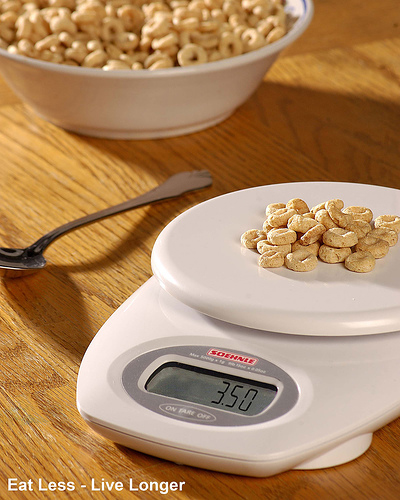
5 Easy Ways to Eat Less


Looking to trim your portion sizes? Try some of these easy tips to get started.
  1. Eat with big utensils. Those who eat with large forks and spoons tend to eat less than those who eat with smaller utensils, probably due to feeling as though you are eating more.
  2. Try eating on blue dinnerware. Studies have shown that those who eat off of blue plates tend to eat less.
  3. Try plates and bowls that contrast with the color of your food—food that is the same color as your plate gives the illusion that there is less food actually on your plate.
  4. Use smaller plates, bowls and glasses. It’s easy to pile on the food when your plate is bigger than your head, or scoop that extra helping of ice cream when your bowl can fit 7 servings.
  5. Enjoy your food without any distractions. Get rid of a messy table, put out place settings, and sit down without a book or TV and enjoy your food—you’ll find that you feel full much faster.
Source: Shape

Tips for Losing Weight at Home


TIPS FOR LOSING WEIGHT AT HOME

While many folks enjoy heading to the gym four or five times a week to get in a workout, some people prefer to exercise in the comfort of their own homes. Some single parents don’t have the luxury of hiring a babysitter just to get a workout in, and likewise, must exercise at home if they’re going to at all.
Luckily, a gym full of equipment is not a requirement for a successful weight loss plan. With dedication, consistency, and a little creative thinking, the home can be as good a place as any to lose weight.
Nutrition First
Before I get into talking about how to exercise at home with little or no equipment, I want to mention the importance of a proper diet. Even with the world’s best exercise program, you’ll never lose an ounce if you’re not eating properly.
There are a few criteria that any effective fat loss diet will meet:
  • A daily calorie deficit of 500-1,000 calories
  • Made up of mostly fresh, whole foods
  • Contains adequate protein and essential dietary fats
  • Minimal sugars and other carbohydrates to control hunger
  • Now that you know how you’ll need to eat to set the stage for appreciable fat loss, let’s talk about the types of exercise you can do at home.
Exercises that require no equipment:
  • Push-ups
  • Squats
  • Lunges
  • Planks
  • Reverse Crunches
  • Running Stairs (if you have them in your home)
  • Yoga
  • Pilates
  • Kickboxing
  • Many Workout DVDs
  • Exercises that require minimal equipment:
  • Resistance Band Exercises
  • Dumbbell Exercises
  • Medicine Ball Exercises
As you can see, there are a wide variety of exercises you can easily do in your home with minimal or no investment in equipment. Most require very little space as well, so there’s no need for a room to be dedicated to exercise. Clearing a little space in your living room or bedroom will usually work just fine.
How Often Should I Exercise?
The short answer is as much as reasonably possible. Short, frequent exercise sessions have been shown to be great for fat loss. I personally recommend 30-45 minutes of moderately intense exercise 5-6 times per week.
This may seem like a lot but no one said losing weight is easy. To the contrary, the steadily growing obesity rates and billions upon billions of dollars spent on fitness related products prove otherwise.
Losing weight requires hard work, will power, determination, perseverance, and consistency. Anything less will usually result in mediocre results and the gaining back of any weight lost. What most people are missing in their efforts is a long term commitment to a healthy lifestyle.
Many folks want to follow a program for 60 days and live happily ever after with a lean, fit body. Let me tell you the truth that’s a fairly tale.
Staying Motivated
The nice thing about working out at home is that you have control over the atmosphere. You can play whatever music you like, and do what you need to do to stay enthused about working out. Do what you can to make your workouts enjoyable, as this will make it much easier to stick to the plan over the long haul.

8 Tips to Lose Weight at Home

1. Set the mood 
Turn up the lighting in your kitchen and dining room. Dim lights make food look more attractive, which encourages binge eating. 

Music may help curb stress-related eating; it can fill an inner need that might otherwise lead to overeating. If you have a certain song or CD that you know calms you down, keep it on hand. 

2. Go blue 
Avoid painting the walls red, yellow, and orange in the kitchen and dining areas; these colors may make us hungry! If your walls aren’t blue and repainting is just too much work, use blue silverware, blue plates, napkins, or place mats to help get the same non-hungry effect. 

Use blue lights in your kitchen or dining room. In a study published in Contract magazine, gala attendees who dined in a blue room ate 33-percent less than those who ate in a yellow or red room. Blue lights make food look less appealing, while warmer colors, especially yellow, have the opposite effect. Fast-food restaurants have known and used this fact for decades, which is why almost all of them have yellowish interiors--they want you to eat more. 

3. Downsize 
Extensive diet research shows that people eat what's put on their plates--even if it's more than they need to satisfy their hunger. If you have huge dinner plates, buy smaller dishes for your home. 

Buy smaller glasses so you don’t consume too many liquid calories. It’s more difficult to exercise portion control when you’re pouring into a large glass. Use smaller juice glasses and stay away from oversized wine glasses. 

4. Stay out of the kitchen 

Many people talk on the kitchen phone and work at the kitchen table. They're always around food, which increases their likelihood of eating. 

Just like you sleep better when you don’t work in your bed, you’ll eat better if you don’t work in your kitchen. Don’t confuse the space. 

5. Spray lavender on your bed pillows 
Studies show that natural remedies like lavender can help promote healthy sleep cycles, which in turn may help promote weight loss. People who sleep five hours a night versus the recommended seven to eight hours are 50-percent more likely to be obese. 

6. Spray jasmine around the house 

Peppermint or jasmine scents have been linked to increased energy and alertness. Burn a candle or spray the scent around your home to help boost your energy. 

7. Keep simple workout equipment around the house. 

Having dumbbells or a yoga mat sitting around will help keep exercise on your mind. If you’re watching television in the evening and you see your dumbbells, you may be more inclined to pick them up and do a few sets of exercises than if they were hidden away in the closet. 

Also, if you have stairs, take advantage of them! The average person can burn 105 calories taking the stairs up and down for 15 minutes. If you do that every day for a week you'll burn at least 735 calories. 

8. Get rid of "fat clothes" 

Women often have clothes that span in sizes; this makes it easy to gain weight back because you’re using the wide range of sizes as a safety net. Clean out your closet and get rid of the clothes that are bigger in size. 

Lose Weight While Watching TV


1. Jump rope for two-minute intervals. Repeat four times. (111 calories)
2. Run up and down the stairs of your apartment building or house during a commercial break. (42 calories)
3. Stand in front of your couch, squat until your butt is just above the seat cushions, and hold that position for one minute. Repeat four times. (80 calories)
4. Lie down on the floor on your side and do leg lifts for five minutes. (50 calories)
5. Do arm circles for one minute. Repeat two more times. (20 calories)
6. Sprint to the bathroom, hover over the toilet seat while you pee, and sprint back. (30 calories)
7. Grab three-pound weights or two soup cans and do one minute each of lifting for your triceps (put your hands behind your head, with your elbows at your ears and lift the weight up and down). Do three sets. (17 calories)
8. Sit on an exercise ball and do one minute of ab curls. Repeat four times. (50 calories)
9. If you’re not down with that, work your core by simply sitting on the ball for an hour. (38 calories)
10. Stand approximately five feet away from the TV and do lunges for five minutes. (37 calories)
11. Lie down in front of the TV and hold yourself in the plank position for one minute. Repeat two times. (35 calories)
12. Lie down on your couch and scoot around until your back is on the cushions and your legs are resting on the seat back, at a 90 degree angle to your waist. Curl your torso up towards your legs in a crunch and release. Keep doing them for an entire commercial break. (30 calories)
SOURCES: Nutritionist Heather Bauer, founder of Nu-Train nutrition counseling center in Manhattan; dietician Tanya Zuckerbrot, creator of the F-Factor Diet; personal trainer Brooke Maronne, founder of Brooke Maronne Fitness

Learn the Difference To Lose Weight


Dietary fat is one nutrient with a serious image problem: "Fat in food is equated to fat on hips—but it's not the same! Our bodies need certain fats," says Bonnie Taub-Dix, R.D., author of Read It Before You Eat It. Getting the right amounts from the right sources will not only ensure your food doesn't taste like cardboard, but also can help you lose stubborn pounds (yes, you read that correctly).

Fat's (Ahem) Larger Purpose
The main reason fat gets a bad rap is that much of the type we eat comes in less-than-healthy packages like doughnuts and cheese fries. The fact that we're wired to crave the flavor fat provides makes it even easier to overeat. Back when mammoth was still a menu item, calories were hard to come by. Humans evolved to seek out the most concentrated supply of them, and fat, with nine calories per gram (versus four per gram in carbs and proteins), was our best food source for survival.
Though we no longer need that primitive urge to keep us alive, fat still plays a critical role: It delivers key nutrients to your body. "Vitamins such as A, D, E, and K are called fat-soluble because they need to bind to fat to be absorbed," says Taub-Dix. "If fat isn't available, the vitamins can't be absorbed properly." Top your salad with low-fat dressing and you could miss out on a lot of the benefits in those leafy greens—which can also leave you jonesing for a snack later. "Part of losing weight is being satisfied so you aren't grazing all day on other foods," says Taub-Dix. "And studies have found that foods with healthy fats, like avocado and nuts, take longer to digest and therefore help keep you fuller longer."

The 5 Best Foods You Need To Eat Every Day

1. Spinach

Popeye knew its benefits. Spinach is a rich source of plant-based omega-3s and foliates. It helps reduce the risk of heart disease, stroke and osteoporosis. Try to eat one cup of fresh spinach or a half cup of cooked spinach every day. You can throw leaves on top of a salad, cook some in your morning omelets, or order it on top of pizza.

Flax - You’ll find loads of nutrition packed inside this tiny seed.

Flaxseeds may be tiny, but they pack
a powerful nutrition punch.

Complete nutrition guide for fitness

  • Flax is an excellent source of alpha-linolenic acid (ALA), a type of omega-3 fatty acid that helps protect the heart. One tablespoon of whole flaxseeds provides 3 grams of fiber, helping to lower cholesterol levels as well as promote healthy digestion. Flax is also high in lignans, a phytochemical that may help protect against breast cancer.Use these tips to help you add two to three servings of flax to your daily diet:
  • l Jennifer Neily, MS, RD, CSSD, LD, of Dallas, Texas, calls whole flaxseeds “nature’s fast food” because of their effect on digestion. She adds whole flaxseeds to oatmeal or yogurt and even sprinkles them on salads.To get the benefit of the ALA in flax, on the other hand, use ground flaxseeds or flax oil. The hard hull of the flaxseed resists digestion, making the beneficial fatty acids unavailable.
  • Add ground flax to a favorite smoothie recipe to add a nutty taste.
  • Stir ground or whole flaxseeds into hot cereal, adding a bit more liquid since the fiber in the flax will absorb extra liquid.
  • Ayla Withee, RD, LDN, of Eat Simply nutrition services, mixes flax oil with cider vinegar to make a quick and tasty salad dressing.
  • Replace one-half of the oil in muffin or quick bread recipes with ground flax. According to Peggy Korody, RD, CLT, of RD4Health Nutrition Counseling, LLC in Rancho Santa Fe, California, you can substitute 3 tablespoons of ground flax for 1 tablespoon of oil. You’ll add fiber and healthy omega-3 fatty acids to your favorite baked goods.
  • Substitute 1⁄4 cup ground flaxseeds for 1⁄4 cup of the flour in batters for pancakes, muffins, and nut breads.
  • Marina Stauffer, RD, CDN, of Northport, New York, makes a delicious snack or dessert by covering a banana in nut butter then rolling it in ground flax or sprinkling it with whole flaxseeds. Stauffer also recommends spreading nut butter and ground flaxseeds on whole grain toaster waffles for a fast and delicious healthy breakfast.
  • Stir 1 to 2 teaspoons of flax oil into your favorite yogurt for an added omega-3 boost.
  • Add ground flax to a favorite casserole recipe, such as meatloaf, suggests Lori Auerbach Sullivan, MS, RD, of One Source Nutrition in Connecticut.
  • Substitute ground flaxseeds for the “crunchies” that come with some types of yogurt.Flax absorbs 10 to 12 times its weight in water, which means it’s essential to increase your water intake whenever you add whole or ground flaxseeds to your foods.Store whole flaxseeds in the freezer and grind only the amount you need for one day to prevent rancidity. Store flax oil in a dark bottle in the refrigerator and use within six weeks for the best flavor.
Related Posts Plugin for WordPress, Blogger...