Showing posts with label Foods. Show all posts

Thursday, August 30, 2012

Back to School: Healthy Breakfast and Lunch Recipes for Your Kids


473468-kids-eating-their-greens

School may have started for your kids, or it may be just around the corner. That means it’s time to start thinking about giving your kids a nutritional edge with the food you feed them! If your kids are like most, they are probably really busy once the school year rolls around with activities, homework, friends, and other obligations. With such a busy schedule, it’s easy to let nutrition give way to convenience, so it’s understandable why so many give into the temptations of school breakfasts and lunches. Still, with a little planning and minimal preparation, you can provide healthy, homemade breakfasts and lunches for your kids that fit well within their busy lives and yours.

WHY IT MATTERS


Nutritional status is linked to multiple performance aspects of a child’s life. Some of those aspects are obvious, such as energy levels. Others have become clear through studies.
  • A 2010 case study evaluated the Healthy Kids, Smart Kids program at Browns Mill Elementary School in Georgia. The program promoted nutrition and physical activity, and researchers tracked kids’ performance between the years of 1995 and 2006. During the studied period, counseling and disciplinary referrals declined while standardized test scores improved after the program’s implementation.
  • Multiple studies have linked skipping breakfast to poor learning outcomes.
  • A 2010 study showed a correlation between a high fat, high sugar, high processed food diet and lower IQ scores in children at 8 years of age.
These are but a few of the many nutrition and learning outcome studies that point to the conclusion that kids who eat healthy meals are likely to experience better academic performance.

BEYOND CEREAL – BETTER BREAKFASTS FOR KIDS

There’s no doubt school mornings can be chaos, but there’s plenty you can do to ensure your children have something healthy on board before they head out the door. The ideal breakfast is quick, healthy, and plant-based. Of course, you can always give your kids a Glowing Green Smoothie for breakfast, at least as part of breakfast. It is amazing for children.  Here are some other options to try.

Nutty Carob Power Shake

Carob doesn’t have caffeine like cacao does.
  • 1 cup unsweetened almond milk
  • ½ banana
  • 1 tablespoon unsweetened carob powder
  • 1 ounce raw almonds
  • Stevia to taste
Blend all ingredients together in a blender until creamy.

Chia Acai Smoothie

  • 1 tablespoons of chia
  • 1/2 cup of water
  • 1/2 banana
  • 1/2 packet frozen acai smoothie package
  • 1 cup almond milk
  1. Soak chia in water overnight in refrigerator.
  2. Add chia gel, banana, acai and almond milk to a blender and mix well.

Banana Breakfast Wrap

  • 1 sprouted whole grain tortilla
  • 2 tablespoons unsweetened almond butter
  • 1 banana, diced
  1. Spread almond butter on tortilla.
  2. Top with bananas and roll.

Hearty Breakfast Quinoa

  • 1 cup quinoa, soaked and cooked
  • 2 tablespoons of your favorite dried fruit (cranberries, raisins, blueberries, etc.)
  • Dash sea salt
  • Cinnamon or grated nutmeg to taste
  • Stevia to taste
  • 1 cup almond milk
  1. Combine all ingredients in a medium saucepan.
  2. Heat over medium heat until liquid is absorbed.

QUICK, HEALTHY LUNCHES

These lunches are easy to prepare the night before and send to school with your kids.

Zucchini Hummus and Veggies 

  • 1 medium zucchini, sliced
  • 2 tablespoons tahini
  • 1 tablespoon lemon juice
  • 1 tablespoon extra virgin olive oil
  • 1 clove of garlic, peeled and minced
  • ½ teaspoon cumin seed
  • Dash sea salt
  • Your favorite vegetables.
Combine all ingredients (except vegetables) in a food processor or blender and mix until smooth. Serve with cut vegetables or spread on a pita wrap or gluten-free bread along with veggies.

Quinoa Pasta Salad

  • 1 cup quinoa rotini pasta, cooked, drained, and cooled
  • ½ sweet red pepper, chopped
  • 1 green onion, chopped
  • ½ tomato, seeded and chopped
  • ½ zucchini, chopped
  • ½ cucumber chopped
  • 3 tablespoons parsley, chopped
  • 1 tablespoon organic lemon juice
  • 1 tablespoon extra virgin olive oil
  • Dash sea salt
  • Fresh cracked black pepper to taste
  1. Mix pasta, pepper, onion, tomato, zucchini, cucumber and parsley.
  2. Whisk together lemon juice, olive oil, salt, and pepper and pour over salad. Toss to mix.

California Veggie Wrap

  • 1 sprouted grain, gluten-free tortilla
  • ½ avocado
  • 1 tablespoon lemon juice
  • Dash sea salt
  • ¼ cup baby spinach
  • ½ cup carrots, peeled and shredded
  • ½ tomato, chopped
  • ¼ cup spicy sprouts
  • ½ red bell pepper, sliced
  1. Combine avocado, lemon juice and sea salt in a small bowl. Lightly mash with a fork.
  2. Spread mashed avocado on tortilla.
  3. Top with spinach, carrots, tomato, sprouts, and pepper.
  4. Roll and cut in half.

OTHER LUNCH BOX ADDITIONS

Along with the recipes above, you can add the following to your kids’ lunches:
  • Bugs on a log (celery sticks with almond butter and raisins)
  • Coconut yogurt
  • Seasonal fruit kabobs
  • Leftovers
  • Veggie soups in a thermos
  • Kale chips
  • Veggies and salsa
  • Fruit salad
  • Brown rice and beans
  • Raw almonds or seeds
  • Homemade trail mix

WHAT NOT TO PUT IN YOUR KIDS’ LUNCHBOX

In order to give your kids the healthiest possible foods, avoid the following common lunch items:
  • Cheese
  • Breads containing wheat
  • Candy
  • Commercial granola bars
  • Commercial fruit snacks
  • Juice boxes
  • Dairy yogurt
  • Milk
  • Potato chips
  • Processed meats like bologna or hot dogs
  • Soft drinks and energy drinks
  • Fast processed snacks like Lunchables or packaged cheese and crackers

[Infographic] The Long-Term Effects of That Fast Food Meal

No matter where you live, the Fast Food Machine (FFM) will try to get you. They want you, me and everyone that ever eats a meal (yeah, in other words everyone!) or has a dollar in their pocket to support their ever-expanding empire, which is built on a sickening foundation of the cheapest, most processed “food” that contributes to myriad diseases and sickness.
So what I propose to do here is to start you thinking, really thinking, about the implications of every fast food meal. Some will say “Everything in moderation,” but I say not so with fast food. Each fast food meal digests to leave hormones, steroids, next-to-impossible to digest oils, cheap refined sugars and so many other horrible substances in your body that we made a whole infographic (below) on the subject.


Please share this with friends and family members that eat fast food

Tips Fix Your Heart Before It Breaks


Your heart is one impressive, overachieving organ: in the minute it takes you to read these paragraphs, it will have pushed a whopping 5.7 litres of blood through 96 560km ^ of blood vessels - that’s more than twice the circumference ^ of Earth. Yet despite your ticker’s superpowers (and the fact that it keeps you, well, alive), most women don’t do enough to safeguard their heart health.

That’s right, were talking to you. Worldwide, cardiovascular disease causes 8.6 million deaths amongst women annually. “It’s the largest single cause of mortality, accounting for a third of all deaths in women,” says dietician Aycsha Seedat of the Heart and Stroke Foundation South Africa.

“Coronary heart disease affects women approximately 10 years later than men, possibly because of the protective effect of oestrogen prior to the onset of menopause. Once women reach menopause, their risk of heart disease increases three times,” says Seedat. But this is no longer just a problem for geezers

Friday, August 24, 2012

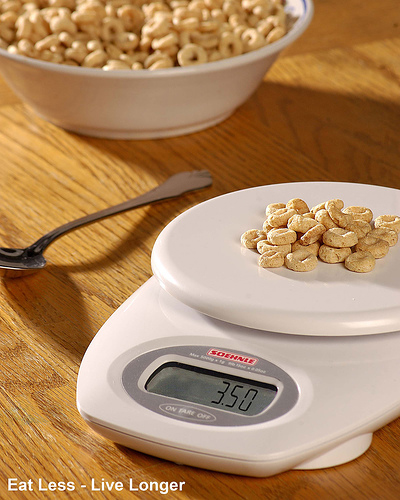
5 Easy Ways to Eat Less


Looking to trim your portion sizes? Try some of these easy tips to get started.
  1. Eat with big utensils. Those who eat with large forks and spoons tend to eat less than those who eat with smaller utensils, probably due to feeling as though you are eating more.
  2. Try eating on blue dinnerware. Studies have shown that those who eat off of blue plates tend to eat less.
  3. Try plates and bowls that contrast with the color of your food—food that is the same color as your plate gives the illusion that there is less food actually on your plate.
  4. Use smaller plates, bowls and glasses. It’s easy to pile on the food when your plate is bigger than your head, or scoop that extra helping of ice cream when your bowl can fit 7 servings.
  5. Enjoy your food without any distractions. Get rid of a messy table, put out place settings, and sit down without a book or TV and enjoy your food—you’ll find that you feel full much faster.
Source: Shape

Learn the Difference To Lose Weight


Dietary fat is one nutrient with a serious image problem: "Fat in food is equated to fat on hips—but it's not the same! Our bodies need certain fats," says Bonnie Taub-Dix, R.D., author of Read It Before You Eat It. Getting the right amounts from the right sources will not only ensure your food doesn't taste like cardboard, but also can help you lose stubborn pounds (yes, you read that correctly).

Fat's (Ahem) Larger Purpose
The main reason fat gets a bad rap is that much of the type we eat comes in less-than-healthy packages like doughnuts and cheese fries. The fact that we're wired to crave the flavor fat provides makes it even easier to overeat. Back when mammoth was still a menu item, calories were hard to come by. Humans evolved to seek out the most concentrated supply of them, and fat, with nine calories per gram (versus four per gram in carbs and proteins), was our best food source for survival.
Though we no longer need that primitive urge to keep us alive, fat still plays a critical role: It delivers key nutrients to your body. "Vitamins such as A, D, E, and K are called fat-soluble because they need to bind to fat to be absorbed," says Taub-Dix. "If fat isn't available, the vitamins can't be absorbed properly." Top your salad with low-fat dressing and you could miss out on a lot of the benefits in those leafy greens—which can also leave you jonesing for a snack later. "Part of losing weight is being satisfied so you aren't grazing all day on other foods," says Taub-Dix. "And studies have found that foods with healthy fats, like avocado and nuts, take longer to digest and therefore help keep you fuller longer."

The 5 Best Foods You Need To Eat Every Day

1. Spinach

Popeye knew its benefits. Spinach is a rich source of plant-based omega-3s and foliates. It helps reduce the risk of heart disease, stroke and osteoporosis. Try to eat one cup of fresh spinach or a half cup of cooked spinach every day. You can throw leaves on top of a salad, cook some in your morning omelets, or order it on top of pizza.

You Can Fight Stress With Food? Yes, Really!


Because stress is widely believed to
influence heart health, health pros
often encourage stress reduction
methods as part of an overall
strategy for the prevention of
cardiovascular disease. But don’t
overlook the power of food.

Many of us have a tendency to reachfor unhealthful comfort food whenstressed or depressed, but some foodsreally can help relieve stress andanxiety. It’s a win-win proposition because not onlydo these foods help combat stress, which in turnmay improve heart health, but many, such as nuts,whole grains, fruits, and veggies, are also known tohave a more direct effect on cardiovascular health.Adding these nutritious foods to your meal plan canjoin an overall healthful diet, exercise, and relaxationtraining as core weapons in the fight againstheart disease.

Thursday, August 16, 2012

Lose Weight Without Dieting Or Working Out


Lose Weight Without Dieting or Working Out is written by nutritionist and life coach, JJ Smith.
She is known for her appearances on The Montel Williams Show and The Jamie Foxx Show.
This program was designed to help you lose weight permanently by cleansing your body and providing it with slimming nutrient-dense foods.

Lose Weight Without Dieting Or Working Out Basics

The foundation of this program is the Detox-Eat-Move (DEM) System.

Culinary Intelligence: 3 Rules for Healthier Eating


Background

Culinary Intelligence is written by Peter Kaminsky, a food writer for Food and Wine Magazine and The New York Times.
Since his profession involved eating and writing about gourmet restaurant meals he found himself gaining weight over the years. Eventually he developed a system that allowed him to lose weight while still being able to enjoy delicious food.

52 Weight Loss Missions


This weight loss plan involves 52 “missions” and is designed so that you can do one mission each week.
click here
This usually works well for busy people but you can proceed at a faster or slower pace if you prefer. Each mission requires you to take a practical action that will support your weight loss goals.

Fit2Fat2Fit: Drew Manning Gains 75 Pounds on Purpose


Background

Fit2Fat2Fit is written by Drew Manning, a personal trainer and self-professed fitness junkie.
Manning loved working out, always ate healthy and had never been overweight in his life. However, he was still having difficulty helping his clients achieve their weight loss goals.
This book chronicles his personal journey where he intentionally gained weight – and lost it again.
His purpose was to understand his clients better so that he could become a more effective personal trainer. He cronicled his journey on his blog.

Related Posts Plugin for WordPress, Blogger...